پلان ستراتیژیک
امارت اسلامی افغانستان
وزارت تحصیلات عالی
پوهنتون کابل
پوهنځی زراعت
کمیته پلان ستراتیژیک
پلان ستراتیژیک پوهنځی زراعت
(۱۴۰۱ – ۱۴۰۵ هـ. ش)
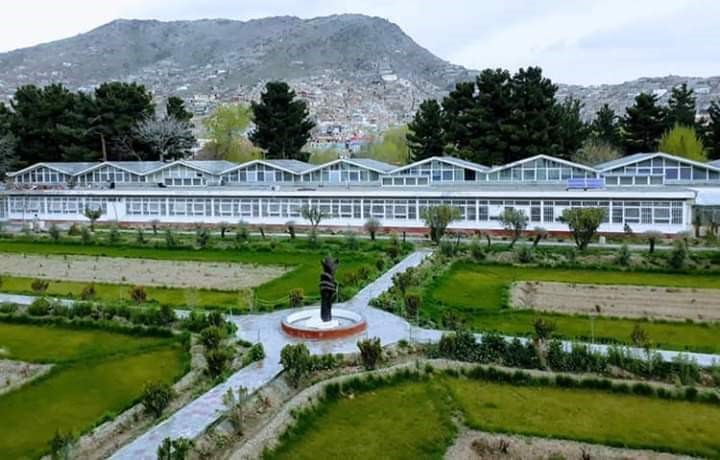
خلاصه پلان ستراتیژیک پنج سالهٔ پوهنځی زراعت پوهنتون کابل(۱۴۰۱ -۱۴۰۵ هـ ش)
این خلاصه به منظور ارائهٔ جامع، تحلیلی و رسمی از پلان ستراتیژیک پنجسالهٔ پوهنځی زراعت پوهنتون کابل برای سالهای ۱۴۰۱ الی ۱۴۰۵ هجری شمسی تهیه گردیده است. پوهنځی زراعت بهعنوان یکی از نهادهای پیشگام و بنیادی تحصیلات عالی در افغانستان، نقش محوری در تربیه نیروی انسانی متخصص، توسعه تحقیقات علمی، ارتقای زراعت پایدار و تأمین مصونیت غذایی کشور ایفا مینماید. تدوین این پلان در پاسخ به نیازهای روزافزون جامعه، تحولات علمی و تخنیکی، و ضرورت به بهبود کیفیت آموزش و تحقیقات صورت گرفته است.
پلان ستراتیژیک حاضر در پرتو پالیسیها، اهداف و رهنمودهای وزارت تحصیلات عالی، پلان ستراتیژیک پوهنتون کابل، ارزشهای اسلامی و ملی، و بر بنیاد تجارب سه پلان ستراتیژیک قبلی پوهنځی زراعت تدوین گردیده است. در این سند، وضعیت موجود پوهنځی از نگاه ساختار تشکیلاتی، منابع بشری، ظرفیتهای علمی، امکانات آموزشی و تحقیقاتی، زیربناها، تجهیزات، فعالیتهای اکادمیک، برنامههای تدریسی و تحقیقاتی، و همچنان چالشها و محدودیتهای اساسی بهگونهٔ همهجانبه مورد بررسی قرار گرفته است. این تحلیل، تصویر روشنی از جایگاه فعلی پوهنځی و مسیر حرکت آینده آن ارائه مینماید.
در این پلان، دیدگاه پوهنځی زراعت عبارت تبدیلشدن به یک مرکز معتبر ملی و بینالمللی در عرصهٔ تدریس معیاری، تحقیقات علمی، نوآوری، خدمات اجتماعی و توسعه زراعت پایدار تعریف شده است. ماموریت پوهنځی بر تربیه کادرهای متخصص و متعهد در رشتههای مختلف زراعت و مالداری در مقاطع لیسانس، ماستری و دکتورا، انجام تحقیقات علمی در راستای حل مشکلات زراعتی کشور، کاهش فقر، افزایش تولیدات زراعتی، تأمین مصونیت غذایی و رشد اقتصاد ملی متمرکز میباشد. ارزشهای محوری پوهنځی شامل رعایت اصول اسلامی، تعهد اکادمیک، کیفیت در تدریس و تحقیق، شفافیت اداری، مسلکیت، نوآوری و پاسخگویی میباشد.
بهمنظور تدوین ستراتیژیهای مؤثر، از روشهای علمی تحلیل عوامل محیط داخلی و خارجی استفاده گردیده است. در این راستا، ماتریکس ارزیابی عوامل داخلی (IFEM)، ماتریکس ارزیابی عوامل خارجی (EFEM)، ماتریکس عوامل داخلی و خارجی (IEM) و تحلیل سوات (SWOT) بهکار گرفته شدهاند. نتایج این تحلیلها نشان میدهد که پوهنځی زراعت از نقاط قوت قابل ملاحظهای چون کادر علمی مجرب، سابقهٔ طولانی اکادمیک، تنوع دیپارتمنتها، فارمها و باغهای تحقیقاتی برخوردار است؛ با این حال، چالشهایی مانند محدودیت منابع مالی، کمبود تجهیزات پیشرفته لابراتواری، نیاز به ارتقای ظرفیتهای تحقیقاتی و وابستگی نسبی به بودیجه دولتی نیز وجود دارد. همچنان، فرصتهایی مانند افزایش نیاز بازار کار به متخصصان زراعت، امکان گسترش همکاریهای ملی و بینالمللی و توسعه تحقیقات علمی فراهم است، در حالیکه تهدیدهایی چون ناپایداری اقتصادی و تغییرات محیطی نیز قابل توجه میباشند.
بر اساس نتایج تحلیلهای انجامشده، اهداف ستراتیژیک پوهنځی زراعت در محورهای اساسی چون ارتقای کیفیت آموزش و تحقیقات، توسعه و معیاریسازی زیربناها و لابراتوارها، تقویت سیستمهای اداره و رهبری، توسعه آموزش الکترونیکی و تکنالوژی معلوماتی، افزایش نقش پوهنځی در حل مشکلات جامعه و سکتور زراعت، گسترش همکاریهای علمی و تحقیقاتی ملی و بینالمللی، و حرکت تدریجی بهسوی استقلال مالی تعریف گردیدهاند. برای تحقق این اهداف، برنامههای اجرایی پنجساله با تعیین فعالیتهای مشخص، زمانبندی تطبیق، منابع مورد نیاز و نتایج متوقعه ترتیب شده است.
در بخش پایانی پلان، میکانیزمهای تطبیق، نظارت و ارزیابی بهگونهٔ شفاف تعریف گردیدهاند تا تطبیق مؤثر پلان تضمین شود. این میکانیزمها شامل تعیین مسئولیتها، شاخصهای سنجش پیشرفت، سیستم گزارشدهی منظم و استفاده از نتایج ارزیابی برای بهبود مستمر برنامهها میباشد. تطبیق موفقانهٔ پلان ستراتیژیک پنجسالهٔ پوهنځی زراعت میتواند زمینهساز ارتقای کیفیت تحصیلات عالی، توسعه تحقیقات علمی، تربیه نیروی انسانی متخصص، و ایفای نقش مؤثرتر این پوهنځی در انکشاف پایدار زراعت و رشد اقتصاد ملی افغانستان گردد.